
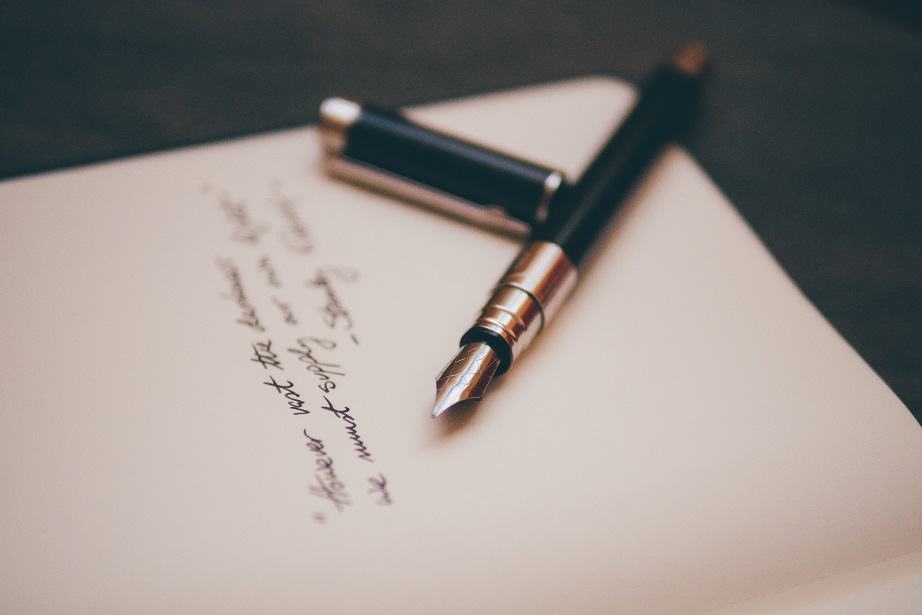
If you want to know how to write a thank-you letter, you’ll love this article.
These days, it’s easy to send a quick “thank you” by text, email, or chat. Convenient? Absolutely. But when you really want to show someone how much you appreciate them, few things have the same impact as a thoughtfully written thank-you letter.
A handwritten or carefully typed note feels personal in a way a text message rarely does. It’s especially appropriate when someone has given you a meaningful gift, gone out of their way to help you, or done something thoughtful that deserves more than a two-word response.
The key is sincerity. Your thank-you letter doesn’t need to sound formal or poetic. It simply needs to sound like you.
How to Write a Thank-You Letter:
1. Start with a warm salutation.
The first line of your thank-you letter should feel natural for the relationship you have with the recipient. In most situations, you can’t go wrong with a simple “Dear [person’s name],”. It works just as well for a close friend as it does for a teacher, family member, or professional acquaintance.
If you have a particularly warm relationship with the person, though, feel free to make the opening more personal. For example:
- “Dearest __,”
- “Hi, __,”
- “My friend,”
- “To my favorite ____,”
Don’t overthink it. The goal is to establish a warm, genuine tone from the very beginning.
2. Express your gratitude sincerely.
Thank-you letters are generally short, so there’s no need to spend several paragraphs working your way toward the point. Say thank you early—and mean it.
Be specific about what you’re grateful for. If you’re thanking someone for a gift, mention the gift rather than simply writing, “Thanks for the present.” A few extra details show that you noticed the thought behind it and genuinely appreciate what they gave you.
For example:
- “Thank you so much for the adorable pair of leggings you gave Leigh!”
- “It was incredibly kind of you to come to my opening night.”
- “I’m so grateful for all the help you gave me with my senior project this semester.”
- “Without your support, I wouldn’t be the student—or the person—I am today.”
A specific thank-you always feels more personal than a generic one.
3. Explain why you appreciate the specific gift or gesture.
This can be the most meaningful part of a thank-you letter. Even if the gift wasn’t exactly what you would have chosen for yourself, remember that someone spent time, money, energy, or thought choosing it for you.
Acknowledge that effort.
You don’t need to pretend you love something if you don’t. Instead, focus on the thought behind it or explain how you plan to use it. Honesty makes your gratitude much more believable.
For example:
- “She’s been begging me for a pair of leggings lately! They fit her perfectly, and she even has a red dress that matches them. She’ll get plenty of use out of them this winter.”
- “You were so kind to come to my opening night. Seeing your familiar smile in the audience genuinely made me happy. Knowing you were there also helped calm my nerves before the performance.”
- “I’m incredibly grateful for your help with my senior project this semester. I know you have so many students relying on you, so the time you spent giving me individual attention meant a great deal.”
- “You didn’t have to take the time to mentor me or meet with me. Most people wouldn’t have. Your patience, enthusiasm, and willingness to help have made a lasting impression on me.”
The more personal the reason, the more memorable your thank-you letter will be.
4. Ask about the other person or share a little news.
Once you’ve expressed your gratitude, don’t feel as though you have to stop writing immediately. Take a moment to show that you’re interested in the person receiving the letter, too.
Ask how they’re doing. Mention something happening in your own life. Bring up a shared memory or something you talked about recently. These small details turn a basic thank-you note into a genuine letter between two people.
For example:
- “It was great catching up with you at the party. How are things going with Bobby’s soccer team? He’s such a naturally talented kid. Leigh has been asking about him every day. We can’t wait to see you both this Christmas.”
- “Will you be coming back to New York anytime soon? Next time, dinner is on me. I’d love to have a proper conversation instead of trying to catch up backstage between everything else!”
- “I hope your research goes well this summer. I’m looking forward to seeing you at the NSTA conference this fall.”
- “Good luck with your new responsibilities and upcoming projects. I’m genuinely excited to see what you do next—and to keep learning from you, even from a distance.”
This is often what separates a rushed thank-you note from a letter someone will actually enjoy reading.
5. Thank them one more time.
As you bring the letter to a close, take one last opportunity to let the person know that you appreciate them.
You don’t necessarily need to mention the gift again. Sometimes the most meaningful thing you can say is simply that you’re grateful to have them in your life.
For example:
- “Friends like you are one of the best things about living here. I’m looking forward to the next time we can sit down, relax, and properly catch up.”
- “Your support throughout my career has shown me what an incredible friend you are. Your warmth, generosity, and kindness mean more to me than I can say.”
- “You represent everything I love about this college and give it an even better name. I hope that someday I can give my own students the same kind of encouragement you’ve given me.”
- “Whenever you want to talk, collaborate, or simply share a cup of coffee, you know where to find me. I’d never turn down the chance to spend time with you.”
The final thank-you should feel warm, not repetitive. Think of it as the emotional conclusion to your letter.
6. Choose an appropriate closing.
The best way to end a thank-you letter depends largely on your relationship with the person. A romantic partner, close friend, colleague, and teacher will naturally require different sign-offs.
If you’re unsure, keep it simple. Your name is enough.
Here are some common thank-you letter closings:
- For a loved one: Love, Much love, Hugs and Kisses, All my love, Yours
- For a friend: Cheers, Thanks again, Warmly, See you soon, Many thanks
- For a colleague: Sincerely, Gratefully yours, Respectfully yours, Best wishes
There’s no perfect closing. Choose one that sounds like something you would actually say.
7. Decide whether to handwrite or type your letter.
Both handwritten and typed thank-you letters are perfectly acceptable. What matters most is that you’ve made the effort to write something thoughtful and send it.
A handwritten note has a certain charm. It feels intimate and personal, particularly when you’re thanking a close friend, family member, or someone who gave you a meaningful gift.
If you choose to write by hand, use a black or blue pen and make sure your handwriting is easy to read. Print or cursive is fine—legibility matters more than style.
A typed letter may be the better choice for a professional setting. Use a clean, readable font such as Times New Roman or Arial, especially when you’re writing to a colleague, supervisor, professor, or business contact.
Don’t get too caught up in presentation, though. The thought behind the letter matters far more than whether every detail looks perfect.
8. Choose attractive stationery or a thank-you card.
Technically, you could write a thank-you message on almost anything. But if someone has gone out of their way to give you a thoughtful gift, sending your response on a decent piece of stationery or a proper thank-you card shows that you made an effort, too.
That doesn’t mean you need expensive or elaborate stationery. A simple, high-quality sheet of paper can look wonderful. Choose heavier paper made from cotton or another quality material, and don’t be afraid of a subtle design or your initials.
Thank-you cards are another easy option. You can find packs of them in stationery stores, pharmacies, and many other shops. Buying several at once is a good idea—you’ll have them ready the next time you need to express your gratitude.
9. Decide whether your letter should be formal or casual.
The tone of your thank-you letter should match both your relationship with the recipient and the reason you’re writing.
For example, imagine you’re thanking your boss for a thoughtful professional gift. If your workplace is fairly formal, high-quality business stationery and a properly formatted letter may be the safest choice.
If you’re writing to a close friend, there’s no reason to sound like you’re addressing a government official. Use your personality. A funny postcard, colorful stationery, or even a homemade card can make the message feel much more authentic.
The important thing is balance. You want the recipient to feel appreciated—not as though you’ve copied a formal template from a handbook.
10. Know when an email is appropriate.
A text message can sometimes feel too casual for a meaningful thank-you. An email, however, has its place.
It’s particularly appropriate when you’re thanking someone for emotional support, advice, or a thoughtful conversation rather than a physical gift. For instance, if your aunt listened patiently while you were going through a difficult breakup, sending her a sincere thank-you email may be completely appropriate.
When someone has given you an actual gift or spent a significant amount of time helping you, however, consider sending a physical thank-you letter. Writing, addressing, and mailing a letter requires effort. That effort is part of the message.
If you do choose email, don’t treat it like a quick text. Take your time. Write complete sentences, be specific, and make the message just as thoughtful as you would make a traditional letter.
11. Match the length of your letter to the size of the gesture.
There’s no strict rule saying a thank-you letter must be a certain number of words. Still, matching the length and thoughtfulness of your message to the significance of the gift or gesture is a useful guideline.
A major gift, a tremendous favor, or a significant sacrifice deserves more than a rushed sentence. A small, casual gesture probably doesn’t require a two-page essay.
For example, suppose someone gave you a $100 wedding present, flew across the country to attend your wedding, and took time away from work to be there. A detailed thank-you letter on beautiful stationery—or a substantial thank-you card—would be entirely appropriate.
On the other hand, if someone gave you a small $5 Secret Santa gift, a brief and cheerful note is probably enough.
Don’t measure gratitude in word count, though. The goal isn’t to make your letter longer than necessary. It’s to make the amount of thought you put into it feel appropriate.
12. Start halfway down the card if you don’t have much to say.
Here’s a small trick that can make your thank-you card look much better: you don’t have to fill every available inch of space.
If you’ve purchased a card that folds in half and you’re struggling to write enough to fill the entire thing, start halfway down the right-hand side. You can write a short, neatly balanced message rather than ending with a few lonely sentences surrounded by a huge amount of blank space.
There’s no need to enlarge your handwriting simply to make the card look full. In fact, that usually makes the message look less natural.
Of course, remember the earlier point about matching the length of your letter to the significance of the gift. If someone deserves a thoughtful two-page letter, don’t squeeze everything into half a card just because it’s convenient.
13. Send your thank-you letter promptly.
Ideally, try to send your thank-you letter within a few days—or a few weeks at the latest—after receiving the gift or favor.
Promptness matters because it reassures the other person that their gift arrived and that you noticed the effort they made. This is especially important when someone mailed you a present. If weeks go by without hearing from you, they may start wondering whether the package ever reached you.
That said, it’s never too late to say thank you.
If you completely forgot, don’t let embarrassment stop you from sending a note months later. A late thank-you is still far better than no thank-you at all. In fact, if you’ve waited that long, make the letter especially thoughtful. A sincere explanation and a little extra effort can go a long way.
Ultimately, knowing how to write a thank-you letter isn’t about following a rigid formula. It’s about making another person feel seen and appreciated.
Put down the phone. Take a few minutes. Write something genuine.
In a world of instant messages and disappearing notifications, that small act of thoughtfulness can mean surprisingly much.